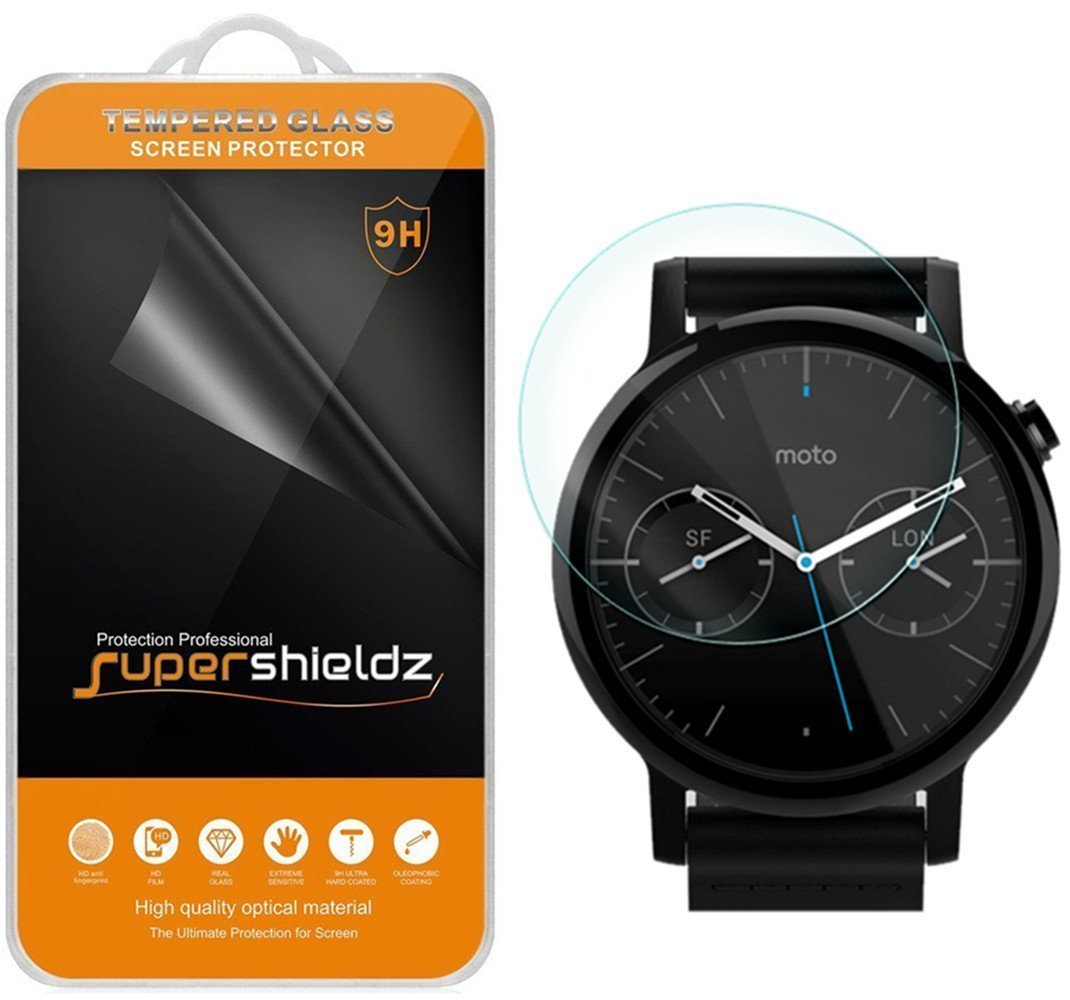
It looks like you had great success. applying films or glass screen protectors and getting a professional and undetectable application is not as easy as some may think. I know that wet application is widely used as perhaps the easiest way to do this, but I do a hybrid technique I developed which for me has proven it yields even better results than just water, with near perfect adhesion and zero trapped sediment or air.
First, a clean work environment is certainly recommended since any dirt trapped under the film will yield a bump or raised area in the film which not only detracts from the smoothness but also traps air surrounding the tiny particle resulting in a dot of black where the display's light is blocked from view, which then surrounded by a halo from the air pocket it creates by preventing direct adhesion at that exact spot. Even the smallest airborne dust can result in disappointing results.
I start by running hot water in the shower of the bathroom with the door closed. This causes steam to fill the air and this acts as a huge filter with the airborne water particles attaching themselves any airborne dust which then eventually falls to the ground. I wait till the steam has subsided and then begin the process of preparing to clean the glass surface of the device by aggressively washing and scrubbing my hands with soap and water.
Then I do a deep cleaning of the glass surface where the film will be applied. Often these films come with a small alcohol cleaning pad in a tear-open package. This is used as a last step in cleaning preceded by a damp cloth and a tiny amount of Dawn dishwashing detergent. For any really tough marks I use GooGone. As mentioned I then use an alcohol swab to remove any remaining reside and finally use a damp microfiber lens cleaner to pick up any remaining microscopic dust or fibers.
Finally, upon removing the film from its protective sheet I wet it, and then taking my finger tip I dab just a miniscule amount of Dawn onto the wet surface and smear it to cover the film's adhesive side completely. I try to use the tiniest amount of soap, whatever may be on the top of the soap dispenser, to only break the surface tension of the water and allow it to fully coat the film.
Applying soap in this added step does three things. First it assures that there will be no areas of the film that will not be wet, critical in getting trapped air out. Second, it acts as a lubricant to allow very easy and precise repositioning of the film after initial application so removal and reapplication is not necessary. Third, it allows for much less work when squeegeeing film to remove the water and air bubbles since the film remains somewhat lose making it easier for the soapy water to move under the film and find its way to the edges.
The film will move initially with even the slightest touch so once I've positioned and centered it where it belongs, I press firmly in the middle with one finger tip and then use a rubber squeegee (often also supplied but a credit card can be substituted if you do not have one), and begin squeezing out the slightly soapy water from the center towards the edges to begin the adhesion. As I move the slightly sudsy water out, it leaves behind a virtually flawless adhesion.
Once I have the film tacked down sufficiently with the squeegee to prevent it from moving I remove my finger and finish squeegeeing across the entire film surface to remove any remaining water and tiny air bubbles. If the film has moved while initially squeegeeing it can still be nudged into alignment with sideways pressure from my fingers very slowly to perfect it's position. Then I wipe it off completely with a damp lens cleaner and let it continue to firm up its adhesion on its own.
I've used this same technique to remove and reuse glass screen protectors as well, and to assure the adhesive was free of particulates I wash the adhesive with the Dawn soap and rinse it well before starting the reapplication.
Sent from my XT1585 using Tapatalk


 ) I ordered a pack for my 360 Sport. I have not scratched it yet, but based on what I have read (including from you) these screens scratch easier than others. It took over a year to put the first real scratch on my G Watch.